

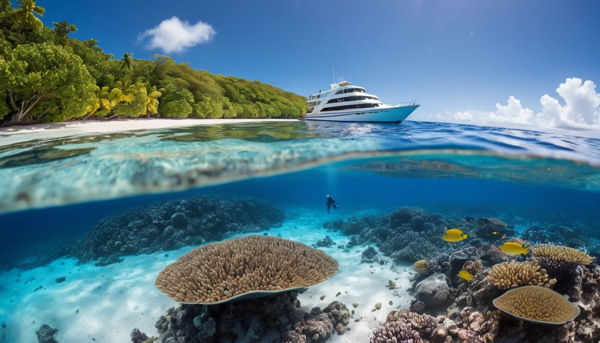
Liveaboard vs Shore Diving—discover the key differences, pros, and tips to choose the best diving style for your next adventure.
Liveaboard vs Shore Diving
Liveaboard vs shore diving comes down to convenience, cost, and experience. Liveaboards offer remote dive sites and all-inclusive trips, while shore diving provides flexibility and budget-friendly exploration. Your choice depends on your travel style, budget, and diving goals.
Have you ever wondered if living on a dive boat for days beats walking straight from the beach into the ocean? 🌊 Choosing between liveaboard vs shore diving isn’t always easy. Both offer amazing underwater experiences, but they come with different vibes, costs, and perks. Let’s break it down so you can pick the one that fits your style best.
🚤 What Is Liveaboard Diving?
Liveaboard diving means staying on a boat designed for divers. Instead of returning to land each day, you sleep, eat, and dive directly from the vessel. Most liveaboards travel to remote areas, giving access to pristine dive sites unreachable by shore. Meals, accommodations, and gear storage are included.
🏖️ What Is Shore Diving?
Shore diving is when you access dive sites directly from the coastline. No boat required—you gear up on land and walk or swim to the entry point. Shore diving is popular in places like Bonaire or Hawaii where reefs sit close to the beach. It’s simple, budget-friendly, and flexible.
⭐ Key Differences at a Glance
Here’s a quick look at how liveaboard vs shore diving compares:
| Feature | Liveaboard Diving 🚤 | Shore Diving 🏖️ |
| Accessibility | Remote sites, far from shore | Easily accessible from land |
| Cost | Higher (all-inclusive) | Lower (pay as you go) |
| Flexibility | Fixed schedule | Choose your own time |
| Experience Level | Great for advanced divers | Beginner-friendly |
| Atmosphere | Social, group setting | Relaxed, independent |
💰 Cost Considerations
Liveaboards usually cost more because they include lodging, food, and unlimited diving. Prices can run from $1,500 to $4,000+ per week. Shore diving, on the other hand, only requires basic gear rental and park fees, making it much cheaper. But don’t forget: shore divers may need rental cars and tanks, which add hidden costs.
🌍 Accessibility and Travel Logistics
Liveaboards whisk you to sites unreachable by day boats—think remote atolls or wrecks in open seas. Shore diving is much easier logistically. No long boat rides, no seasickness—just step in and go. If you’re short on vacation time, shore diving offers more freedom.
🐠 Marine Life Encounters
On a liveaboard, you’ll often see untouched reefs, big pelagics, and rare species. These sites attract serious divers looking for bucket-list encounters. Shore diving, while sometimes less dramatic, still provides plenty of reef life, turtles, and colorful corals. It’s perfect for photographers who enjoy long, slow dives.
🕒 Flexibility of Dive Schedules
One of the biggest differences is flexibility. Liveaboards follow a structured schedule: dive, eat, rest, repeat. It’s efficient but not customizable. Shore diving lets you choose when and where to dive. Want to do a sunrise dive followed by a lazy breakfast? Shore diving makes it possible.
🛏️ Comfort and Accommodations
Liveaboards are like floating hotels, with cabins, lounges, and dive decks. Comfort levels vary from budget bunk rooms to luxury suites. Shore divers, on the other hand, can stay in beach resorts, vacation rentals, or even camping spots. The freedom to choose your lodging style is a huge perk.
🤝 Social Atmosphere and Community
Liveaboards create instant diving communities. You’ll bond with fellow divers, share stories, and make lifelong friends. It’s social by design. Shore diving is more independent—you can dive solo (with a buddy) or join local dive shops when you want. Perfect for introverts who prefer less structure.
📸 Photography Opportunities
Shore diving allows photographers unlimited bottom time. You can take your time setting shots without worrying about a group schedule. Liveaboards, however, get you to rare sites with subjects you may never see from shore—think hammerhead schools or manta cleaning stations. Both options are gold for underwater photography lovers.
🌊 Safety Considerations
Liveaboards have staff, medical kits, and safety protocols onboard. You’re always diving with a team. Shore diving safety depends more on your preparation. Divers must plan entries, exits, and conditions carefully. Strong currents or waves can be challenging for beginners.
⏳ Dive Time and Frequency
Liveaboards often offer 3–5 dives per day, including night dives. It’s an intensive experience that maximizes water time. Shore diving gives you freedom to pace yourself. You can dive once a day or three times—it’s up to you.
🍽️ Food and Lifestyle Differences
On a liveaboard, meals are served buffet-style with plenty of options. The lifestyle is structured around diving and relaxation. Shore diving allows you to explore local restaurants, cook your own meals, or sample street food. Food variety is often richer on land.
🧳 Packing and Gear Management
Liveaboards provide dedicated storage and crew assistance. Your gear stays set up for days. Shore divers must haul tanks, weights, and gear to and from sites. This can be tiring if access points are far or rocky.
🌅 Ideal Destinations for Each Style
- Liveaboards: Galápagos, Red Sea, Maldives, Indonesia
- Shore Diving: Bonaire, Curaçao, Hawaii, Florida Keys
| Best For | Top Locations | Why Choose It? |
| Liveaboard | Galápagos, Raja Ampat | Rare species, remote access |
| Shore Diving | Bonaire, Curaçao | Easy entries, budget-friendly |
✅ Pros and Cons of Liveaboard Diving
Pros:
- Access to remote dive sites
- Multiple dives daily
- All-inclusive packages
- Built-in diving community
Cons:
- Expensive
- Fixed schedule
- Seasickness possible
- Limited land exploration
✅ Pros and Cons of Shore Diving
Pros:
- Budget-friendly
- Flexible schedules
- Easy for beginners
- Freedom to explore on land
Cons:
- Limited to nearshore reefs
- More gear handling
- Fewer big pelagic encounters
- Conditions can vary
🔑 Which One Should You Choose?
If you crave adventure, rare marine life, and non-stop diving, liveaboards are worth the investment. If you prefer freedom, budget-friendly trips, and combining diving with land travel, shore diving fits better. Many divers enjoy mixing both over time to get the best of both worlds.
| Diver Type | Best Option | Why |
| Adventure seeker | Liveaboard | Remote, intensive diving |
| Casual vacationer | Shore Diving | Flexible and affordable |
| Photographer | Both | Variety of subjects |
| Beginner | Shore Diving | Easier, less pressure |
🎯 Conclusion
When it comes to liveaboard vs shore diving, the right choice depends on your goals, budget, and personality. Liveaboards deliver remote adventures and camaraderie, while shore diving offers independence and flexibility. Both bring unforgettable underwater memories. The key? Match your diving style to your travel dream, and you’ll never go wrong. 🌊✨
❓ FAQs
What is cheaper, liveaboard or shore diving?
Shore diving is generally cheaper because you pay for gear and site access only. Liveaboards include lodging and food, making them pricier. But they also provide more dives per trip.
Can beginners go on a liveaboard dive trip?
Yes, beginners can join entry-level liveaboards. However, conditions at remote sites may be challenging. It’s best to have some experience before booking.
Where is the best place for shore diving?
Bonaire is world-famous for shore diving thanks to easy access reefs. Curaçao and Hawaii also offer excellent shore entries. All provide plenty of marine life close to shore.
How many dives per day on a liveaboard?
Most liveaboards schedule 3–5 dives daily. This includes night dives. The exact number depends on the operator and destination.
Do liveaboards include food and lodging?
Yes, liveaboards are usually all-inclusive. They provide cabins, meals, snacks, and beverages. Some even offer luxury services like spas and private suites.

Leave a Reply