


Catamaran vs monohull cruising—discover the pros, cons, costs, comfort, and safety differences to choose the perfect sailing boat for your adventure.
When choosing between a catamaran vs monohull for cruising, catamarans offer stability, comfort, and space, while monohulls provide tradition, performance, and affordability. Your decision depends on budget, sailing style, and personal preferences for speed, comfort, and handling in rough seas.
Have you ever dreamed of setting sail into the horizon but found yourself stuck wondering: Should I choose a catamaran or a monohull? 🌊 This is one of the biggest decisions cruisers face, and the answer isn’t one-size-fits-all. Both boats come with unique strengths and trade-offs that can make or break your cruising experience.
🚤 What Makes Catamarans Stand Out?
Catamarans have two hulls, which means they naturally provide stability. This design makes them less likely to heel (tip over) compared to a monohull. For many new sailors or families, that stability makes life onboard feel safer and more comfortable. Cooking in the galley, walking across the deck, and even sleeping at night is often smoother on a catamaran.
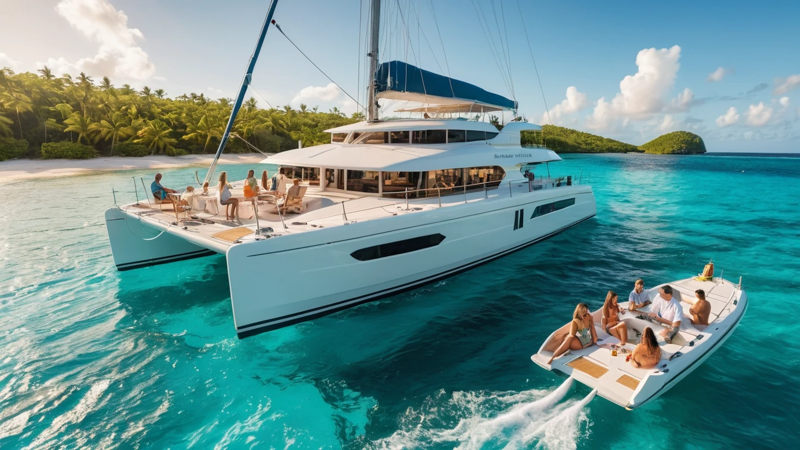
Another key feature is space. Because of their wide design, catamarans offer huge living areas, bigger cockpits, and plenty of storage. Imagine having a floating condo with panoramic views—that’s the catamaran experience. They also have shallow drafts, allowing you to anchor closer to shore in beautiful bays and lagoons.
Still, it’s not all sunshine. Catamarans are more expensive upfront, costlier to dock, and can be trickier to maneuver in tight marinas. But for long-term cruisers who value comfort and space, the pros often outweigh the cons.
⚓ Why Do Sailors Love Monohulls?
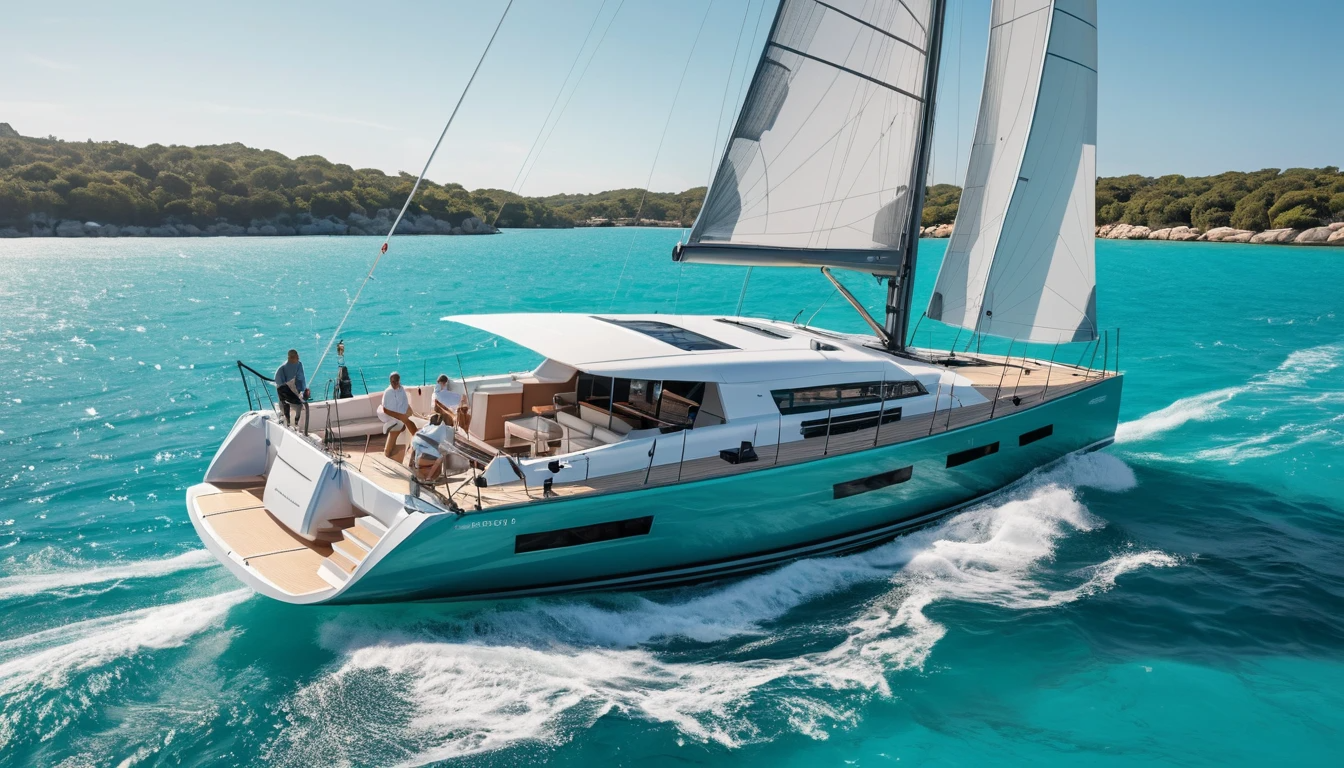
Monohulls are the traditional choice for cruising, and for good reason. They’re designed with a single hull that cuts through waves smoothly, giving that classic “sailing feel.” Many sailors love the way a monohull heels under wind—it makes them feel truly connected to the sea.
Another advantage is affordability. In general, monohulls are cheaper to buy and maintain. Docking fees are lower because they take up less space, and repairs can be simpler. For sailors with a tighter budget, a monohull makes cruising accessible without breaking the bank.
On the flip side, living on a monohull is tighter. Cabins are smaller, storage is limited, and heeling can make cooking or sleeping tricky at times. Yet, for many sailors, this traditional design is all part of the adventure.
🌍 Comfort at Anchor: Catamaran vs Monohull
One of the biggest differences you’ll notice between these two boats is how they behave at anchor. Catamarans barely rock, thanks to their twin-hull design. This stability makes them ideal if you’re prone to seasickness or just want peaceful nights on the water.
Monohulls, however, swing more at anchor. Some sailors enjoy this motion because it feels natural and rhythmic, but others find it uncomfortable after long stays. If you’re planning extended cruising in calm lagoons, a catamaran might give you that “floating home” feeling you’re looking for.
🏝️ Living Space and Comfort
Catamarans are unbeatable when it comes to living space. Wide decks, spacious salons, and multiple cabins make them perfect for families or groups of friends. Many have separate hulls for guest cabins, giving everyone privacy.
Monohulls, on the other hand, feel cozier but tighter. Cabins are closer together, and storage can be limited. Still, some sailors prefer the intimacy and warmth of a monohull interior—it feels less like a house and more like a true adventure vessel.
Living Space Comparison
| Feature | Catamaran 🐾 | Monohull ⚓ |
| Cabins & Berths | More, with privacy | Fewer, closer together |
| Salon & Cockpit | Spacious & open | Compact & cozy |
| Storage | Larger & plentiful | Limited |
| Natural Light | Bright, panoramic views | Smaller windows |
💰 Cost of Ownership
Catamarans generally cost more to buy, dock, and maintain. A 40-foot catamaran can be almost twice the price of a similar-sized monohull. Marinas also charge extra since cats take up more space. Maintenance costs rise too, since you’re dealing with two engines instead of one.
Monohulls are budget-friendlier. Not only is the purchase price lower, but you’ll also save on docking, maintenance, and insurance. If you’re new to cruising and want to dip your toes in without massive investment, a monohull is usually the smarter choice.
⛵ Sailing Performance Differences
When it comes to performance, monohulls often point higher into the wind. This makes them efficient for long passages, especially when tacking. Their deep keels also provide stability in heavy seas.
Catamarans, however, shine downwind. They can surf on waves and reach higher speeds in favorable conditions. Because they don’t heel, many sailors find catamarans easier to handle, though some argue they lack the “sporty” sailing feel of a monohull.
Performance Comparison
| Aspect | Catamaran 🚤 | Monohull ⛵ |
| Speed | Faster downwind | Better upwind |
| Handling | Stable, flat sailing | Heels, more responsive |
| Comfort Underway | Smooth, less tiring | Traditional sailing feel |
| Safety in Storms | Can be risky if capsized | Recovers from knockdowns |
🌊 Safety at Sea
Safety is a big concern when choosing your cruising boat. Monohulls have the ability to self-right after a knockdown, which gives sailors peace of mind in heavy weather. That said, their heeling motion can be tough on less-experienced crews.
Catamarans rarely capsize, but if they do, they usually don’t right themselves. However, thanks to their stability, capsizes are rare in normal cruising conditions. They also have multiple watertight compartments, which can help prevent sinking.
🧭 Ease of Maneuvering
Catamarans have two engines, making them very maneuverable in marinas. You can spin them almost in place, which is handy in tight spaces. But their wide beam can make docking spots harder to find.
Monohulls are narrower and easier to fit into standard slips. Maneuvering depends more on skill and practice, but many sailors find them straightforward once they get the hang of it.
📦 Storage and Provisioning
If you’re planning long passages, storage matters. Catamarans come with more lockers, larger fridges, and bigger water tanks. This means fewer stops for supplies.
Monohulls require more strategic packing. You’ll need to balance weight carefully and be selective about what you bring. It teaches minimalism, but it can also be a limitation for longer trips.
Storage Comparison
| Factor | Catamaran 🛳️ | Monohull ⛵ |
| Locker Space | Large, multiple | Limited |
| Refrigeration | Bigger options | Smaller fridges |
| Water Capacity | Larger tanks | Smaller tanks |
| Long-term Comfort | Easier provisioning | Requires planning |
🌦️ Weather and Sea Conditions
In calm waters, catamarans feel like floating apartments. But in rough seas, they can pound as waves hit the wide bridge deck. Monohulls cut through waves more smoothly, though you’ll feel the heeling.
Choosing between them often depends on where you’ll cruise most. Tropical island hopping? Catamaran. Ocean crossings in varied weather? Many sailors still favor monohulls.
🏖️ Shallow Water Access
Catamarans have shallow drafts, meaning they can slip into places monohulls can’t. You’ll anchor closer to beaches, explore lagoons, and enjoy more secluded spots.
Monohulls need deeper water, which sometimes means anchoring farther out. But their keels make them stable offshore, where deeper water isn’t an issue.
🚪 Privacy and Layout
On a catamaran, cabins are usually split across two hulls, giving families and guests more privacy. It feels like separate wings of a house.
Monohulls group cabins closer together, which can feel tight. However, the layout makes for a more social, connected atmosphere onboard.
🛠️ Maintenance Considerations
Two hulls, two engines, two everything—that’s the catamaran maintenance reality. More systems equal more potential repairs.
Monohulls keep things simpler with one engine and fewer parts overall. If you’re handy and like doing your own maintenance, a monohull might save you time and money.
🎯 Which Boat Fits Your Cruising Dreams?
At the end of the day, the choice between a catamaran and a monohull comes down to your lifestyle. Do you want comfort, stability, and space for friends? A catamaran may be worth the extra cost. Prefer tradition, lower costs, and that pure sailing feel? A monohull could be your dream boat.
✅ Conclusion
When comparing catamaran vs monohull for cruising, the key is understanding your needs. Catamarans excel in comfort, space, and stability, while monohulls win in affordability, tradition, and offshore performance. Neither is better for everyone—they’re simply better for different types of sailors.
If you crave a floating condo for family adventures, go catamaran. If you’re after the romance of traditional sailing at a lower cost, stick with a monohull.
Your dream boat isn’t about what others say—it’s about what fits your cruising goals best. 🌊✨
❓ FAQs: Catamaran vs Monohull Cruising
What is better for ocean crossing, catamaran or monohull?
Monohulls are often preferred for ocean crossings because they handle rough seas well and self-right if knocked down. Catamarans are stable but can pound in waves. Both can cross oceans safely with proper preparation.
Which is more comfortable at anchor, catamaran or monohull?
Catamarans are more comfortable at anchor because they don’t roll as much. Monohulls swing and heel more, which some sailors dislike. If comfort is a top priority, catamarans win here.
Are catamarans safer than monohulls for cruising?
Catamarans are stable and less likely to heel, making them feel safer in normal conditions. Monohulls self-right after knockdowns, which is reassuring in storms. Both have safety pros and cons depending on the situation.
Which is cheaper to buy, catamaran or monohull?
Monohulls are generally cheaper to buy, dock, and maintain. Catamarans cost more upfront and in ongoing expenses. If budget matters, monohulls are the more affordable choice.
Do catamarans or monohulls sail faster?
Catamarans are usually faster downwind because of their lightweight design. Monohulls perform better upwind due to their keels. Speed differences depend on wind direction and boat design.

Leave a Reply