
Inshore vs Offshore Fishing Florida – Discover the key differences, best spots, fish species, and tips for an unforgettable fishing adventure.
Inshore vs offshore fishing in Florida comes down to location, species, and experience. Inshore fishing means staying in calm, shallow waters close to shore, while offshore fishing takes you miles out into deep blue waters for bigger fish and more adventure.
🎣 Ever Wondered Which Fishing Style Fits You Best?
If you’ve ever planned a Florida fishing trip, you’ve likely asked yourself: Should I go inshore or offshore fishing? Both experiences are incredible, but they’re very different. Inshore fishing offers calmer waters, easy access, and plenty of action-packed fun. Offshore fishing, on the other hand, is about chasing trophy fish in deep waters for the ultimate thrill.
This guide will break down everything you need to know—species, gear, costs, pros and cons—so you can decide which adventure suits you best.
🐟 What Is Inshore Fishing in Florida?
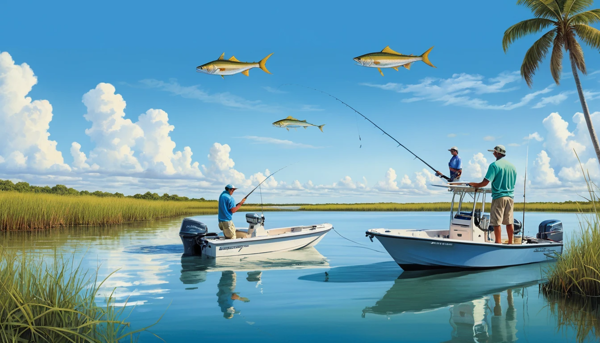
Inshore fishing means staying close to land—usually within a few miles of the coast. You’ll fish in bays, lagoons, mangroves, grass flats, and estuaries. Waters here are shallow, usually less than 30 feet deep.
The beauty of inshore fishing is its accessibility. You don’t need a massive boat, just a skiff, flats boat, or even a kayak. It’s also less intimidating for beginners and families. The calmer waters make it easy to relax, enjoy nature, and still hook into some exciting fish like redfish, snook, and trout.
🌊 What Is Offshore Fishing in Florida?
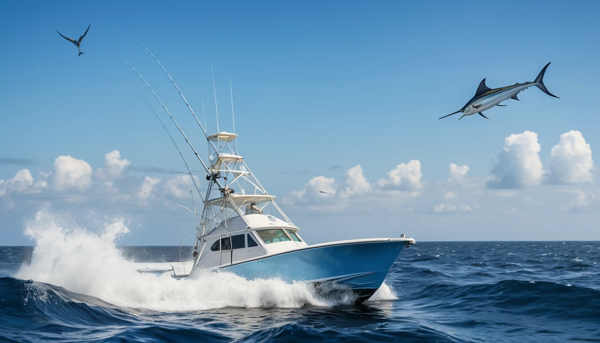
Offshore fishing, also called deep-sea fishing, takes you far from shore—often 10 to 100 miles out. The water here is much deeper, ranging from 100 to several thousand feet. This is where you chase giants like mahi-mahi, sailfish, marlin, grouper, and tuna.
Because offshore fishing requires longer travel times and specialized boats, it’s more of a commitment. Trips usually last a full day, sometimes overnight. But if you’re after bragging rights and the thrill of battling massive fish, offshore fishing delivers like nothing else.
🚤 Main Differences Between Inshore and Offshore Fishing
Here’s a quick side-by-side comparison to help you visualize the differences:
| Feature | Inshore Fishing | Offshore Fishing |
| Location | Bays, estuaries, lagoons | Deep ocean, 10+ miles out |
| Water Depth | Less than 30 ft | 100–3,000+ ft |
| Target Fish | Snook, redfish, trout | Tuna, marlin, mahi-mahi |
| Trip Length | 4–6 hours | 8–12+ hours |
| Boat Needed | Flats boat, kayak | Offshore sportfishing boat |
| Cost | Lower | Higher |
🏖️ Why Choose Inshore Fishing in Florida?
Inshore fishing is perfect if you want a laid-back, family-friendly adventure. It’s budget-friendly, requires less travel, and you can fish year-round. Since the waters are calmer, seasickness is rarely an issue.
It’s also ideal for anglers who love variety. One moment you’re targeting snook near mangroves, the next you’re hooking spotted sea trout on the grass flats. Plus, wildlife encounters—like dolphins and manatees—make inshore fishing even more special.
🌴 Why Choose Offshore Fishing in Florida?
Offshore fishing is for thrill-seekers who want the ultimate fishing challenge. The deep waters are home to Florida’s largest and most powerful fish. Battling a 50-pound mahi or a monster grouper is something you’ll never forget.
Another big perk is the chance for trophy catches that could land you on the record books. Offshore charters often come with top-tier gear and knowledgeable captains, making the experience professional and exciting.
🐠 Popular Fish You’ll Catch Inshore
Florida’s shallow coastal waters are teeming with fish. Some of the top species include:
- Snook – prized for their fight and flavor.
- Redfish – a Florida favorite with bronze coloring.
- Spotted Sea Trout – abundant and fun to catch.
- Mangrove Snapper – small but tasty.
- Tarpon – the “Silver King,” known for jaw-dropping leaps.
🐬 Popular Fish You’ll Catch Offshore
In deeper waters, the species list gets even more impressive:
- Mahi-Mahi – colorful and acrobatic fighters.
- Sailfish – lightning-fast, a bucket-list catch.
- Marlin – the ultimate big game trophy.
- Grouper – powerful bottom dwellers.
- Tuna – strong and delicious, perfect for sushi lovers.
💰 Cost Comparison: Inshore vs Offshore
Fishing trips in Florida vary greatly in cost depending on the type.
| Trip Type | Average Cost (Half Day) | Average Cost (Full Day) |
| Inshore | $400–$600 | $700–$900 |
| Offshore | $800–$1,200 | $1,500–$2,500 |
Inshore trips are more affordable, but offshore charters include bigger boats, fuel, and crew—so prices rise accordingly.
🎒 Gear Needed for Inshore Fishing
For inshore trips, you’ll need lighter tackle and smaller boats. A few essentials:
- Medium-light spinning rod and reel.
- 10–20 lb test line.
- Live bait like shrimp or mullet.
- Artificial lures like topwater plugs.
- Polarized sunglasses for spotting fish.
⚓ Gear Needed for Offshore Fishing
Offshore requires heavy-duty gear to handle large, powerful fish. Essentials include:
- Heavy conventional rods and reels.
- 50–100 lb test line.
- Deep-sea rigs and trolling lures.
- Large bait like squid or ballyhoo.
- Safety equipment and GPS navigation.
⛵ Best Florida Spots for Inshore Fishing
Florida’s coastline offers endless inshore hotspots. Some of the best include:
- Tampa Bay – famous for snook and redfish.
- Indian River Lagoon – top spot for sea trout.
- Everglades National Park – remote mangroves full of tarpon.
- Mosquito Lagoon – “Redfish Capital of the World.”
🐳 Best Florida Spots for Offshore Fishing
If you’re chasing giants, head to these offshore locations:
- Key West – mahi-mahi and sailfish central.
- Miami – quick access to deep waters and marlin.
- Destin – known as the “World’s Luckiest Fishing Village.”
- Fort Lauderdale – popular for tuna and swordfish.
🌅 Seasonal Differences in Florida Fishing
One of the perks of fishing Florida is year-round opportunities. But seasons affect what you catch:
| Season | Inshore Highlights | Offshore Highlights |
| Spring | Redfish, snook | Mahi, sailfish |
| Summer | Tarpon, trout | Tuna, marlin |
| Fall | Flounder, snapper | Grouper, kingfish |
| Winter | Sheepshead, drum | Wahoo, amberjack |
👍 Pros and Cons of Inshore Fishing
Pros:
- Cheaper and family-friendly.
- Calmer waters, less seasickness.
- Shorter trips with quick action.
Cons:
- Smaller fish compared to offshore.
- Weather and tides affect success.
- Limited to certain species.
💪 Pros and Cons of Offshore Fishing
Pros:
- Chance at trophy-size fish.
- Once-in-a-lifetime adventure.
- Professional charters with full gear.
Cons:
- More expensive.
- Seasickness can be a problem.
- Trips require more time.
🏆 Which One Should You Choose?
If you’re looking for an easy, affordable, and relaxing day on the water, inshore is your best bet. But if you crave adrenaline, don’t mind longer trips, and want to chase giant fish, offshore is the way to go.
Many anglers actually try both over time. Start inshore to build confidence, then head offshore when you’re ready for the big leagues.
🎯 Conclusion
Florida truly offers the best of both fishing worlds. Inshore fishing delivers fun, variety, and accessibility, while offshore fishing brings unmatched excitement and trophy-worthy battles. Your choice depends on budget, time, and how adventurous you want your trip to be. Either way, Florida’s waters guarantee memories you’ll cherish forever.
❓ FAQs: Inshore vs Offshore Fishing Florida
What’s the difference between inshore and offshore fishing?
Inshore fishing stays close to shore in shallow waters, while offshore takes you far into the ocean. Inshore offers smaller but plentiful fish. Offshore gives you access to massive, trophy-sized catches.
Is inshore fishing good for beginners in Florida?
Yes, inshore fishing is ideal for beginners. Calm waters and shorter trips make it less overwhelming. It’s a great way to learn without high costs.
How far offshore do you need to go in Florida?
Most offshore fishing in Florida starts 10–20 miles from shore. For deep-sea trophy species, trips may go 50–100 miles out. It depends on the fish you’re targeting.
Which is more expensive, inshore or offshore fishing?
Offshore fishing is more expensive due to larger boats, fuel, and longer trips. Inshore charters cost less and are budget-friendly. The price difference can be significant.
When is the best time for fishing in Florida?
Florida fishing is great year-round. Spring and summer are best for tarpon and offshore species like mahi. Winter brings great action for sheepshead, drum, and wahoo.




Leave a Reply