

Longboard vs shortboard for beginner—discover which surfboard is best for stability, learning, and fun in small waves.
For beginners, a longboard is usually the better choice because it offers more stability, buoyancy, and easier wave-catching. Shortboards are faster and more agile, but they’re harder to control for new surfers. Choosing between a longboard vs shortboard depends on your skill level, goals, and surfing conditions.
🌊 What’s The Big Debate About Longboard vs Shortboard?
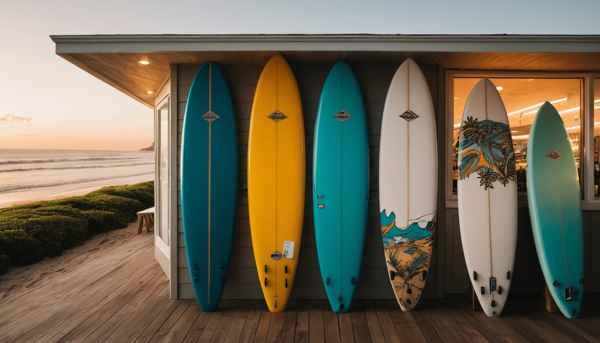
Have you ever stood at the surf shop, staring at rows of shiny boards, feeling totally lost? You’re not alone. Most beginners face the same question: Should I start with a longboard or a shortboard? Both have their perks, but your choice can shape your entire surfing journey. The truth is, each type of board is designed for different wave styles and skill levels. Longboards are forgiving and stable, while shortboards are fast and responsive. But if you’re new to surfing, your decision can make the difference between frustration and fun. Let’s break it down in detail so you can paddle out with confidence.
🏄 Longboard Basics: What Makes It Beginner-Friendly
A longboard is usually 8–10 feet in length, with a wide nose and plenty of surface area. This design gives it extra stability, making it easier to balance and catch waves. Beginners love longboards because they’re more forgiving when your stance isn’t perfect. Their buoyancy helps you float higher, making paddling smoother and less tiring. They also work best in small, slow waves, which are ideal for learners. Plus, longboards allow for smoother rides, giving you time to adjust while standing. If you’re brand-new to surfing, this is the classic “training wheels” option that feels comfortable right from the start.
⚡ Shortboard Basics: Why They’re Tricky for Beginners
A shortboard is usually 5–7 feet long, narrower, and thinner than a longboard. While that makes it lighter and more maneuverable, it also makes it harder for beginners to use. Shortboards require precise paddling, perfect timing, and quick pop-ups. They don’t offer the same stability, so new surfers often fall more. However, shortboards shine in faster, steeper waves, where advanced surfers can carve and perform tricks. If you’re a beginner dreaming of shredding big waves and tight turns, a shortboard might be your long-term goal. But as a starting board, it may lead to frustration instead of fun.
📏 Size & Shape Differences Between Longboards and Shortboards
| Feature | Longboard | Shortboard |
| Length | 8–10 feet | 5–7 feet |
| Width | Wide nose, broader body | Narrow nose, slim profile |
| Thickness | Thick, buoyant | Thin, less buoyant |
| Wave Type | Small, slow waves | Fast, steep waves |
| Stability | High | Low |
🐢 Why Longboards Help You Learn Faster
Learning to surf is all about building confidence. With a longboard, you’ll catch more waves because the board glides easily. Each wave gives you practice standing up, balancing, and turning. Falling less often keeps you motivated, while smoother rides give you time to practice posture. Beginners who start with longboards often progress faster because they master the basics in a stress-free way. It’s like learning to ride a bike with wide tires instead of racing slicks. The process feels easier, and you enjoy the journey.
🚀 Why Shortboards Appeal to Ambitious Beginners
Some beginners are drawn to shortboards because they look “cooler.” They’re also what professional surfers ride in competitions. Shortboards allow for radical moves, like cutbacks and aerials, that longboards can’t handle. Ambitious surfers may want to skip straight to shortboards, but this often slows progress. Without wave-catching consistency, it’s hard to build the core skills. Still, if you’re athletic, persistent, and surfing in strong waves, starting on a hybrid shortboard might work. It’s not impossible—it just requires patience and resilience.
🌞 Best Conditions for Longboards vs Shortboards
| Condition | Longboard Best For | Shortboard Best For |
| Wave Size | Small to medium | Medium to large |
| Wave Speed | Slow and gentle | Fast and steep |
| Water Crowds | Easy to share space | Better in less crowded |
| Learning Environment | Surf schools, beach breaks | Advanced reef breaks |
💪 Paddling Differences You’ll Notice
Paddling is one of the most overlooked parts of surfing, yet it’s crucial for beginners. On a longboard, paddling feels smooth and efficient because of the buoyancy. You’ll move faster and tire less quickly. On a shortboard, paddling is harder. The lack of flotation means you’ll need more effort to catch waves. Many beginners give up here because they struggle to even reach the lineup. If you want to maximize your surf time, longboards make the early days much easier.
🎯 Control and Maneuverability: What to Expect
Control is where shortboards shine. They respond instantly to body movements, allowing advanced surfers to carve tight turns. Longboards, on the other hand, move slower and require bigger, sweeping turns. For beginners, this slower reaction time is actually a blessing. It lets you practice balance and footwork without wiping out every two seconds. As your skills grow, you’ll appreciate the agility of a shortboard. But at the beginner stage, control feels more manageable on a longboard.
🏖️ Surf Schools Almost Always Start with Longboards
Ever notice that surf schools almost always hand out longboards to beginners? There’s a reason. Instructors know that longboards give students more success, more waves, and more fun. Surfing is addictive when you’re standing up often—not when you’re struggling to pop up. Schools want you to feel stoked after your first lesson, and longboards make that possible. Once you’ve mastered balance and paddling, you can transition to shorter boards. Think of it as graduating from beginner gear to advanced equipment.
🌴 Which Board Lasts Longer in Your Surf Journey?
Longboards aren’t just for beginners—they’re fun even for advanced surfers. Many experienced riders keep one for days when waves are small. Shortboards, while exciting, are limited to specific wave conditions. As a beginner, a longboard can stay useful for years. It becomes your “fun board” even after you advance. This makes it a smart long-term investment. A shortboard, by contrast, may only be useful once you’ve leveled up your skills.
🤔 Common Beginner Mistakes Choosing a Surfboard
- Picking a shortboard too early.
- Ignoring your local wave conditions.
- Choosing style over practicality.
- Forgetting about buoyancy and paddling ease.
- Believing smaller is always better.
Avoiding these mistakes saves you time, money, and frustration. Always choose a board that fits your current ability—not your dream skills.
🐬 Safety Differences Between Longboards and Shortboards
Safety matters, especially for beginners. Longboards, because of their size, are easier to handle on small waves. But they can also be heavy and hard to control in a wipeout. Shortboards, while lighter, are harder to balance, leading to more frequent falls. Beginners should practice in mellow conditions with lots of space. Always use a leash and respect surf etiquette to avoid accidents.
🎒 Cost Comparison: Longboard vs Shortboard
| Aspect | Longboard | Shortboard |
| Average Price Range | $600–$1,200 | $500–$900 |
| Durability | Very durable | Durable but thinner glass |
| Beginner Resale Value | Higher | Lower |
| Long-Term Use | Great for all levels | Best after intermediate |
🧭 Transitioning From Longboard to Shortboard
If you start on a longboard, when should you switch? The general rule: move to a shorter board once you’re consistently catching waves, popping up quickly, and turning smoothly. You can transition gradually with a funboard or fish, which are shorter than longboards but more stable than shortboards. This step-down approach makes the shift less overwhelming. Many surfers keep both types to match different conditions.
🌊 Final Verdict: Longboard vs Shortboard for Beginners
If you’re a beginner, a longboard is hands down the best choice. It helps you catch more waves, practice longer rides, and build confidence without constant wipeouts. Shortboards are amazing but require advanced timing and balance. You can always progress to one later, but starting with a longboard sets you up for long-term success. Remember, surfing is about joy, not struggle—so make the choice that keeps you smiling in the lineup.
✅ Conclusion
Choosing between a longboard and a shortboard as a beginner comes down to your priorities. Longboards offer stability, buoyancy, and an easier learning curve. Shortboards promise speed and tricks but demand more skill and patience. Most beginners thrive on longboards because they catch waves faster and stay motivated. As your surfing improves, you can step down to shorter boards for new challenges. At the end of the day, the best board is the one that keeps you surfing, smiling, and coming back for more.
🙋 FAQs
Is a longboard or shortboard easier for beginners?
A longboard is easier for beginners because it offers more stability and buoyancy. You’ll catch more waves and stand up more often. This keeps learning fun and motivating.
Can I learn surfing on a shortboard?
Yes, but it’s much harder. Shortboards require perfect timing and quick pop-ups. Most beginners find longboards easier and more enjoyable.
How long should a beginner surfboard be?
For most beginners, an 8–9 foot longboard works best. It gives you stability, buoyancy, and easy paddling. Smaller boards are less forgiving.
Do longboards work in all wave conditions?
Longboards excel in small to medium waves. They’re not ideal for steep, fast waves. That’s where shortboards perform better.
When should I switch from a longboard to a shortboard?
Switch once you can consistently catch waves, pop up smoothly, and turn confidently. Many surfers transition first to a funboard or fish for easier adjustment.



Leave a Reply