

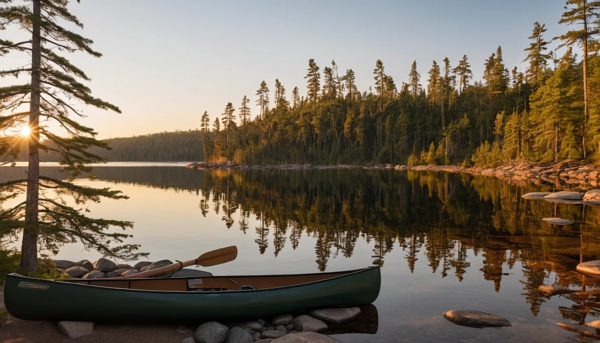
Multi day canoe trips Boundary Waters offer adventure, scenic lakes, and camping. Discover routes, tips, and packing advice in this complete guide.
Multi day canoe trips in the Boundary Waters Canoe Area Wilderness offer adventure, solitude, and breathtaking views. With countless lakes, scenic campsites, and wildlife, paddlers can explore routes from 2 days to 10+ days. Plan ahead, pack smart, and embrace the beauty of this Minnesota gem.
Why Choose Multi Day Canoe Trips In Boundary Waters? 🌲
Have you ever dreamed of escaping the noise of everyday life and finding yourself surrounded by pristine lakes, towering pines, and silence broken only by a loon’s call? That’s the Boundary Waters Canoe Area Wilderness (BWCAW). This unique region offers more than one million acres of untouched beauty, perfect for paddlers craving adventure.
Multi day canoe trips in the Boundary Waters give you the chance to truly unplug. You won’t just be camping; you’ll be navigating winding waterways, portaging across trails, and cooking under star-filled skies. Unlike a quick weekend getaway, longer canoe trips allow you to dive deeper into the wilderness. You’ll find hidden campsites, spot wildlife, and enjoy stretches of lake where you might not see another person for hours—or even days.
This area is a protected wilderness, so motorboats are limited, meaning you get a true paddler’s paradise. It’s also beginner-friendly, with routes ranging from easy two-day paddles to challenging week-long journeys. Whether you’re looking for solitude, fishing, or bonding time with family, the Boundary Waters has a route for you.
Best Time To Go On A Canoe Trip 🗓️
Timing is everything when planning a Boundary Waters adventure. Spring, summer, and fall all offer different experiences. The best time depends on your preferences for weather, bugs, and solitude.
- Late May – June: Great fishing, cool weather, but expect mosquitoes.
- July – August: Warmest water and family-friendly weather, but busier crowds.
- September – Early October: Crisp air, fewer bugs, and stunning fall colors.
If you’re looking for peaceful campsites and fewer portage “traffic jams,” September is unbeatable. But if swimming and long sunny days are must-haves, July may be best. Always check weather forecasts and pack for sudden changes, as storms can roll in quickly.
How Many Days Should You Plan For? 📅
The length of your trip depends on your goals. Are you seeking a relaxing paddle with plenty of time for fishing? Or do you want to cover as much ground as possible?
- 2–3 Days: Perfect for beginners or families with young kids.
- 4–5 Days: Offers balance between paddling and relaxation.
- 6–10 Days: Best for seasoned paddlers who want remote adventures.
For most first-timers, a 4–5 day trip hits the sweet spot. It allows enough time to find your rhythm, explore different lakes, and not feel rushed. If you discover you love it, you can always return for a longer adventure.
Popular Entry Points For Canoe Trips 🚪
There are more than 70 designated entry points into the Boundary Waters, each with its own flavor. Some are popular and busy, while others are tucked away and quiet. Choosing the right one sets the tone for your trip.
| Entry Point | Highlights | Best For |
| Ely Area | Classic BWCA feel, many route options | First-timers |
| Gunflint Trail | Rugged terrain, clear lakes | Experienced paddlers |
| Sawbill Lake | Family-friendly, short routes | Beginners & families |
Entry permits are limited and often sell out months in advance, especially for popular summer weekends. Book early through the U.S. Forest Service permit system to secure your spot.
Essential Gear For Boundary Waters Canoe Trips 🎒
Packing for a multi day canoe trip isn’t just about comfort—it’s about survival and safety. You’ll want lightweight, durable gear that can handle wet conditions.
- Canoe & Paddles: Lightweight Kevlar canoes are popular for portaging.
- Life Jacket (PFD): Non-negotiable for safety.
- Tent & Sleeping Bag: Compact and weather-resistant options are best.
- Dry Bags: Keep clothes and food safe from water.
- Cooking Gear: Lightweight stove, fuel, pots, and utensils.
- Navigation: Waterproof maps and compass (don’t rely on GPS alone).
- First Aid Kit: Must-have for any wilderness trip.
Pro tip: Test-pack everything before leaving. Heavy or bulky items can make portaging much harder.
Food Planning & Cooking In The Wilderness 🍲
Cooking in the Boundary Waters can be one of the highlights of your trip. Nothing tastes better than a hot meal after a day of paddling. Still, planning is key.
- Choose lightweight, non-perishable food.
- Bring dehydrated meals for easy prep.
- Pack fresh items like tortillas, cheese, and summer sausage for variety.
- Store all food in bear-proof containers or hang bags at night.
| Easy Meal Ideas | Prep Level |
| Oatmeal with dried fruit | Low |
| Instant rice with tuna packets | Medium |
| Fresh-caught fish with foil potatoes | Medium |
| Trail mix and energy bars | No prep |
Remember, you’re in bear country 🐻, so never leave food unattended. Keep your cooking area clean to avoid unwanted visitors.
Navigating Portages Like A Pro 💪
Portages—the trails that connect lakes—are often the most dreaded part of canoe trips. But they’re also what make the Boundary Waters so unique. Mastering them is part of the adventure.
Portages range from 10 yards to over a mile. Some are smooth and wide, while others are rocky and steep. The secret is smart packing and teamwork. Carry your canoe overhead, strap gear into packs, and make multiple trips if needed.
A great tip: wear sturdy footwear that dries quickly. Wet, muddy trails are common, and sandals won’t cut it. Think of portages not as obstacles, but as gateways to new adventures.
Wildlife Encounters In Boundary Waters 🦅
One of the magical parts of the Boundary Waters is the wildlife you’ll see. From bald eagles soaring overhead to otters playing in the water, every day brings surprises.
Common animals include:
- Bald eagles
- Loons (their calls are unforgettable)
- Moose
- Beavers
- Black bears (rare, but possible)
Always keep a safe distance and respect their space. Remember, you’re a guest in their home. The more quietly you move, the more likely you are to spot wildlife up close.
Fishing Opportunities 🎣
The Boundary Waters is a paradise for anglers. Lakes are teeming with walleye, northern pike, lake trout, and smallmouth bass. A fishing license is required, so get one before your trip.
Bring lightweight fishing gear and don’t forget spare line and lures. Canoe fishing is peaceful—you can cast from shore at camp or while drifting quietly on the water. Many paddlers plan routes around the best fishing lakes.
Tip: Ask local outfitters about current conditions. They often know which lakes are producing the best catches.
Choosing The Right Route 🗺️
Picking your route is one of the most exciting parts of planning. Think about your fitness level, group size, and desired experience.
| Route Length | Difficulty | Highlights |
| 2–3 Days | Easy | Close to entry, great for beginners |
| 4–5 Days | Moderate | Mix of paddling, portages, and fishing |
| 6–10+ Days | Hard | Remote, fewer people, wild experience |
Outfitters can help you design a route tailored to your goals. Whether you want waterfalls, fishing hotspots, or maximum solitude, there’s a perfect loop waiting.
Safety Considerations 🛶
Wilderness travel always carries risks. Preparation and awareness can make your trip safer and more enjoyable.
- Always wear your life jacket.
- Check weather reports before launching.
- Avoid paddling in storms or strong winds.
- Learn basic first aid.
- Carry an emergency communication device (satellite phone or beacon).
The Boundary Waters is remote—help can be hours or even days away. Stay cautious, but don’t let fear hold you back.
Leave No Trace Principles 🌍
Preserving the Boundary Waters is everyone’s responsibility. Follow Leave No Trace rules to keep it beautiful for generations.
- Pack out all trash.
- Camp only at designated sites.
- Use camp stoves instead of large fires.
- Avoid picking plants or disturbing wildlife.
- Keep noise levels low.
Remember: the Boundary Waters is one of the most pristine wilderness areas in the U.S.—and it’s up to us to keep it that way.
Working With Outfitters 🏕️
If planning a trip feels overwhelming, outfitters can be lifesavers. These local businesses rent gear, arrange permits, and even guide trips.
Services they offer include:
- Full or partial gear rentals
- Route planning help
- Shuttle services to entry points
- Fishing advice
- Emergency support
Outfitters are especially helpful for first-timers who don’t yet own gear or know the area. They’ll help make your adventure smooth and stress-free.
Making Your Trip Family-Friendly 👨👩👧👦
Bringing kids along? The Boundary Waters is surprisingly family-friendly with the right preparation. Choose shorter routes, pick campsites close to entry points, and plan fun activities like swimming and fishing.
Keep kids engaged by giving them small “jobs” like collecting firewood or helping paddle. Bedtime stories by the campfire make memories they’ll never forget. Just remember to pack extra snacks—hungry kids aren’t happy campers.
Why Boundary Waters Stands Out 🌟
Plenty of places in the U.S. offer canoeing and camping. But the Boundary Waters is different. Its sheer size, diversity of routes, and level of protection make it truly special.
Few wilderness areas are so accessible yet so remote at the same time. Within hours of paddling, you can leave the modern world behind and find yourself surrounded by pure silence. It’s an experience that stays with you long after you’ve unpacked your gear.
Conclusion: Your Next Adventure Awaits 🚀
Multi day canoe trips in the Boundary Waters aren’t just vacations—they’re life-changing adventures. Whether you’re seeking solitude, bonding with family, or challenging yourself, the BWCA delivers. With thoughtful planning, respect for nature, and a spirit of adventure, you’ll create memories that last forever.
Pack your paddle, grab your map, and get ready. The wilderness is calling. 🌲✨
FAQs: Multi Day Canoe Trips Boundary Waters
What’s the best month for Boundary Waters canoe trips?
September is often the best month. The weather is cooler, bugs are gone, and crowds thin out. The fall colors also make paddling unforgettable.
How long should a first Boundary Waters trip be?
For beginners, 4–5 days is ideal. It provides enough time to explore without feeling rushed. Families with kids may prefer shorter 2–3 day trips.
Do I need a permit for Boundary Waters canoeing?
Yes, all overnight trips require permits. They must be reserved in advance through the U.S. Forest Service system. Day-use permits are also required but easier to obtain.
Can beginners handle a Boundary Waters trip?
Absolutely. Many routes are beginner-friendly and designed for shorter distances. Outfitters also provide gear, maps, and advice to help first-timers feel confident.
What food should I bring on a canoe trip?
Pack lightweight, non-perishable meals like oatmeal, pasta, and dehydrated foods. Fresh items like tortillas, cheese, and sausage add variety. Don’t forget to pack snacks and bear-proof storage.



Leave a Reply