
Educational sea voyages help college students explore, learn, and grow through hands-on global experiences. Discover the benefits, destinations, and opportunities.
Educational Sea Voyages
Educational sea voyages for college students combine travel, culture, and hands-on learning at sea. These unique programs expand global awareness, build leadership, and enhance academic studies. Students gain practical experience while sailing across diverse destinations, making it an unforgettable and career-boosting educational journey.
Have you ever dreamed of studying under the stars, sailing across blue waters, and learning while exploring new cultures? 🌍 College life is often limited to classrooms and textbooks, but educational sea voyages open doors to an entirely different world. Imagine navigating a ship, attending lectures on deck, and docking in fascinating countries. These voyages give students unforgettable experiences that blend academics, travel, and personal growth. Let’s dive into everything you need to know about this life-changing adventure.
What Are Educational Sea Voyages? 🚢
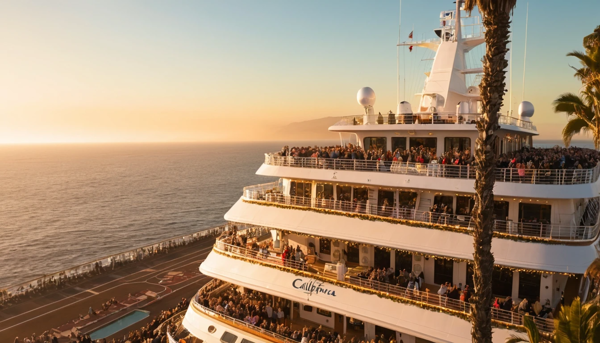
Educational sea voyages are study-abroad-style programs held aboard ships. Instead of staying in one country, students travel to multiple destinations while studying academic subjects. Professors often hold classes onboard, and students learn by connecting their studies with real-world cultural experiences.
These programs are designed for college students looking for more than traditional classroom learning. They offer hands-on experiences in global studies, marine science, history, economics, and environmental issues. By combining travel with academics, students develop both personal and professional skills.
Why Choose a Sea Voyage Instead of Traditional Study Abroad? 🌎
Traditional study abroad programs usually focus on one location. A sea voyage, on the other hand, takes you to many places. This means you get a broader cultural perspective.
For example, a semester-long voyage could stop in Asia, Africa, and South America. That’s three continents in one program. Plus, the ship becomes a floating campus where students form a close-knit community. Friendships grow quickly when you live, study, and explore together.
The Academic Benefits of Sea Voyages 🎓
Academic growth is one of the biggest reasons students choose these programs. Courses often align with majors like international relations, business, oceanography, and environmental science. Professors encourage students to connect what they learn on the ship to the cultures and issues they encounter during port visits.
For example:
- Learning global economics while visiting international markets.
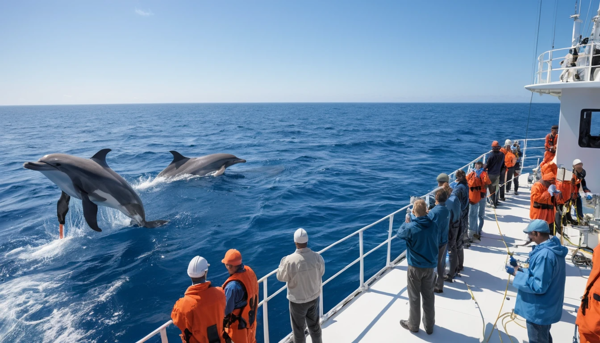
- Studying marine biology while exploring coral reefs.
- Discussing world politics after speaking with local communities abroad.
This direct application of knowledge makes academic concepts more engaging and memorable.
Personal Growth Through Sea Voyages 💡
Beyond academics, sea voyages transform personal development. Students learn adaptability, resilience, and independence while living at sea. Being away from familiar surroundings pushes them outside their comfort zones.
They also gain leadership experience. Group projects, ship responsibilities, and cultural exchanges all strengthen confidence. Many alumni say the voyage changed their worldview and made them more empathetic, open-minded, and globally aware.
Popular Programs Offering Educational Sea Voyages 🏫
Several organizations specialize in these unique programs. Each offers different themes, destinations, and academic focuses.
| Program Name | Focus Area | Destinations | Duration |
| Semester at Sea | Multidisciplinary | Global ports across 4–6 continents | Full semester |
| Sea Education Association (SEA) | Marine science & sustainability | Caribbean, Pacific, Atlantic | 6–12 weeks |
| Ocean Classroom Foundation | Maritime history & leadership | U.S. coastlines & Caribbean | 8–12 weeks |
Skills Students Develop at Sea 🧭
Sea voyages are not just about travel—they build lifelong skills. Students learn how to:
- Work in teams under challenging conditions.
- Adapt to fast-changing environments.
- Communicate across cultures.
- Manage time effectively while balancing travel and academics.
- Build problem-solving strategies in real-world settings.
These transferable skills become valuable assets for future careers.
The Role of Cultural Immersion 🌐
Cultural learning is at the heart of these programs. When ships dock, students engage in field experiences such as homestays, local tours, or service projects. This direct immersion allows students to better understand global issues and human connections.
Unlike regular tourism, educational voyages emphasize responsible and mindful cultural exchange. Students are encouraged to observe, respect, and learn from local traditions instead of just consuming them.
Career Advantages of Sea Voyages 💼
Employers value global awareness and adaptability. Students who complete sea voyages often stand out during job applications. Their experience shows independence, cultural understanding, and problem-solving skills.
Internships and networking opportunities also arise during voyages. Some programs partner with international organizations, giving students real-world exposure to future career paths.
Destinations Commonly Visited 🏝️
Educational voyages cover an impressive range of destinations. Depending on the program, students might visit:
- Mediterranean countries like Spain, Italy, and Greece.
- African nations such as Ghana or South Africa.
- South American ports like Brazil, Peru, or Chile.
- Asian countries including India, Japan, and Vietnam.
| Region | Highlights | Learning Opportunities |
| Asia | Temples, markets, tech hubs | Cultural studies, economics |
| Africa | Wildlife, history, vibrant cities | Anthropology, global health |
| South America | Rainforests, coastal towns | Environmental science, sociology |
How Much Do Educational Voyages Cost? 💰
Costs vary depending on the program and duration. A semester-long voyage can range from $20,000 to $30,000. Shorter programs usually cost between $7,000 and $12,000.
While the price may seem high, it often includes:
- Tuition and academic credits
- Housing (on the ship)
- Meals onboard
- Travel between ports
- Cultural activities
Many programs offer scholarships, grants, and financial aid to help cover expenses.
Scholarships and Financial Aid Options 🎓💵
Funding is available for students who qualify. Scholarships may cover partial or full tuition. Some programs offer merit-based awards, while others provide need-based financial aid.
Students can also apply for external scholarships focused on international education. Financial advisors at universities often guide students in combining aid sources to make voyages more affordable.
Daily Life on a Ship 🚢✨
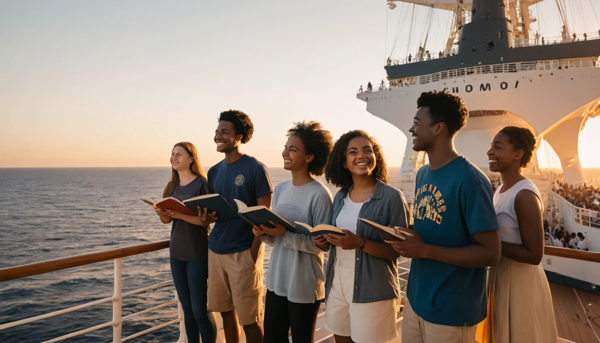
Life aboard a ship is structured yet exciting. Students attend lectures in classrooms onboard, participate in group projects, and engage in daily ship duties.
Meals are shared in a communal dining area, fostering connection among students and staff. Free time often includes stargazing, games, or simply relaxing on deck. Unlike traditional campuses, this lifestyle is close-knit, collaborative, and adventurous.
Challenges Students Might Face ⚠️
Living at sea isn’t always easy. Seasickness, limited Wi-Fi, and small living quarters can be challenging. Students also need to adjust to strict schedules and rules onboard.
But these challenges build resilience. Overcoming discomfort teaches adaptability and patience. Many students say the difficulties became valuable lessons that shaped their character.
Safety Measures and Supervision 🛟
Safety is a top priority on educational voyages. Ships follow strict maritime regulations and are staffed with trained professionals. Students are supervised by professors, program staff, and ship crew.
Emergency drills, safety training, and medical facilities ensure students are well-prepared for unexpected situations. Parents can rest assured that their children are supported throughout the journey.
Preparing for a Sea Voyage 🧳
Preparation is key. Students should pack light, focusing on versatile clothing for different climates. Essentials include:
- Comfortable shoes for walking tours.
- Lightweight layers for changing temperatures.
- Medications and personal care items.
- Journals or cameras to capture experiences.
| Item | Why It’s Important |
| Passport & documents | Required for travel |
| Travel insurance | Covers emergencies |
| Power adapters | For international outlets |
| Seasickness remedies | Helps with rough seas |
How to Apply for a Program ✍️
Most programs require an online application. Students must provide transcripts, recommendation letters, and personal essays. Some programs also conduct interviews to assess readiness.
Early application is encouraged because spots fill quickly. Universities often partner with these organizations, making credit transfers easier.
Final Thoughts 🌊✨
Educational sea voyages for college students offer more than just travel—they’re transformative journeys. Students gain academic insight, cultural understanding, personal growth, and career advantages. While challenges exist, the rewards far outweigh them. If you’re ready to learn beyond the classroom, the sea might just be your next professor.
FAQs: Educational Sea Voyages
What is an educational sea voyage for students?
An educational sea voyage is a study program on a ship where students take classes while traveling. They visit multiple countries and apply lessons in real-world contexts. It’s both academic and experiential.
How long do educational sea voyages last?
Most programs last one semester, about three to four months. Shorter options are available for six to twelve weeks. Each program balances coursework with travel opportunities.
Do sea voyages count for college credit?
Yes, many programs offer transferable college credits. Credits depend on agreements with partner universities. Students should check with academic advisors for credit approval.
Are sea voyages safe for students?
Yes, safety is a top priority. Ships have trained crews, medical staff, and strict regulations. Students receive guidance, support, and emergency training throughout the program.
Can financial aid cover sea voyage costs?
Yes, financial aid and scholarships are available. Programs offer need-based and merit-based funding. Students can also apply for external scholarships to reduce costs.

Leave a Reply