
Oceanographic research expeditions let non-scientists explore the ocean, join real research projects, and live unforgettable adventures at sea.
Oceanographic research expeditions for non-scientists let everyday people join marine experts on voyages, contribute to real discoveries, and explore the ocean firsthand. These trips blend science, adventure, and learning while giving participants a chance to support conservation and experience life at sea.
Ever dreamed of exploring the deep sea without being a scientist? 🌍
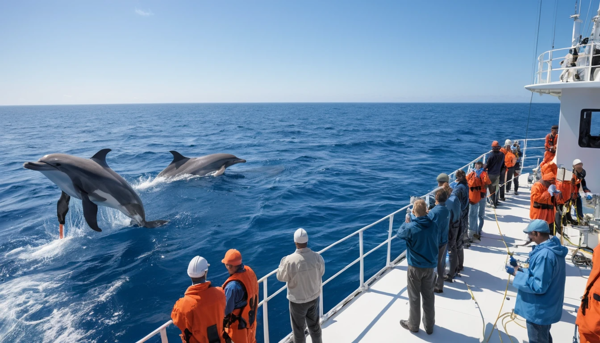
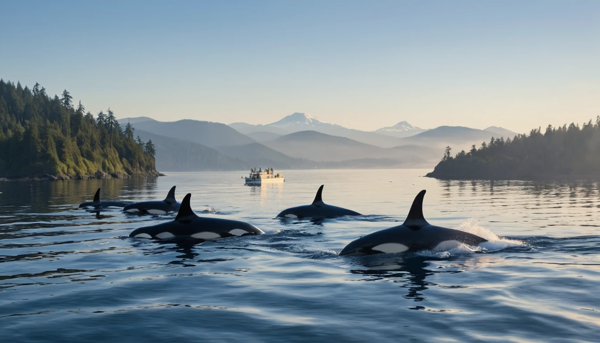
Imagine waking up to the sound of waves, watching dolphins race alongside the boat, and collecting samples that might hold the secrets of ocean life. Sounds impossible unless you’re a marine biologist, right? Not anymore. Today, oceanographic research expeditions welcome non-scientists aboard, offering once-in-a-lifetime opportunities to discover the mysteries of the sea while working side by side with real researchers.
These journeys aren’t just vacations—they’re immersive experiences where you learn, explore, and make a difference. Whether you’re curious about climate change, fascinated by whales, or simply love the ocean, there’s an expedition designed for you. Let’s dive into how you can turn your ocean dream into reality.
🌊 What Are Oceanographic Research Expeditions?
Oceanographic research expeditions are voyages focused on studying the ocean, its ecosystems, and its wildlife. Traditionally, only scientists participated in these missions. But times have changed. Many programs now invite everyday adventurers to join, offering a chance to learn and help with real projects.
These trips combine travel, education, and conservation. You might record marine mammals, map coral reefs, or measure water quality. The experience is both hands-on and eye-opening. More importantly, you’re not just watching—you’re contributing to knowledge that can shape the future of our oceans.
🚢 Why Are They Open to Non-Scientists?
Scientists realized something powerful: they need help. Oceans are massive, and research requires more hands, eyes, and data than a single team can provide. Citizen participation boosts the scope of these studies.
Inviting non-scientists also spreads awareness. When everyday people join, they return home inspired to advocate for the ocean. It’s a win-win. Researchers gather more information, and participants gain unforgettable experiences while supporting marine conservation.
🌍 Who Can Join These Expeditions?
The beauty of these trips is accessibility. You don’t need a degree in marine biology or advanced diving skills. Most programs welcome teachers, students, families, retirees, and curious travelers.
Requirements vary by expedition. Some need moderate fitness for snorkeling or long hours at sea. Others are beginner-friendly, focusing on observation and note-taking. As long as you have curiosity, willingness to learn, and respect for nature, you’re welcome aboard.
📚 Types of Oceanographic Expeditions for Non-Scientists
Here’s a quick look at the variety of experiences available:
- Marine Wildlife Monitoring – Track whales, dolphins, or seabirds.
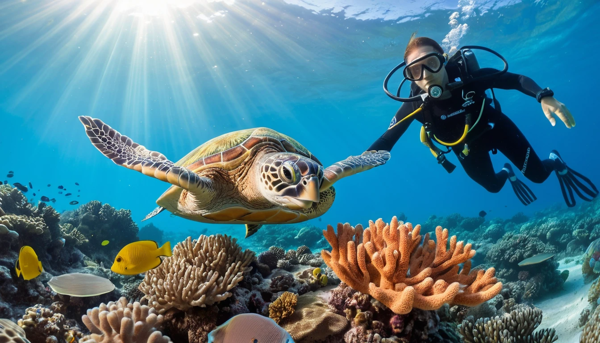
- Coral Reef Studies – Snorkel or dive to help survey reef health.
- Climate Research Voyages – Collect water samples and measure temperatures.
- Plastic Pollution Surveys – Gather and analyze ocean debris.
- Archaeological Explorations – Explore shipwrecks with scientists.
🐬 What You’ll Actually Do Onboard
Most non-scientists wonder, “Will I really help with research?” The answer is yes. You’ll be involved in tasks designed for participants while still being meaningful for the project.
Expect to:
- Record observations in data logs.
- Assist with sample collection.
- Use simple scientific tools.
- Help photograph marine life.
- Join discussions and briefings with scientists.
You won’t just be a passenger—you’ll be part of the team.
🧭 Destinations for Oceanographic Adventures
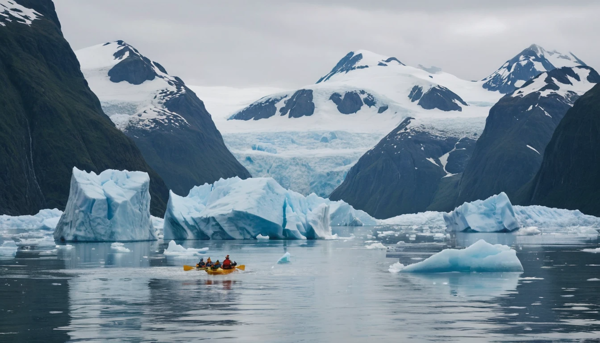
From the Arctic’s icy waters to the Caribbean’s vibrant reefs, expeditions cover the globe. Each destination offers unique experiences.
| Destination | Focus of Research | Best For |
| Caribbean | Coral reefs & marine mammals | Snorkelers & families |
| Arctic | Climate change & polar ecosystems | Adventure seekers |
| Pacific Islands | Plastic pollution & reef surveys | Conservation enthusiasts |
| Mediterranean | History & shipwreck archaeology | Culture + science lovers |
💡 Benefits Beyond Adventure
Joining an expedition isn’t only about travel. It’s about impact. Participants gain deep insights into ocean health while supporting conservation work.
Benefits include:
- Personal growth through hands-on learning.
- Stronger connection to the environment.
- Contribution to meaningful research.
- Friendships with like-minded explorers.
- Memorable encounters with marine life.
🌱 How These Expeditions Support Conservation
Every data point collected strengthens global understanding of the ocean. Whether it’s tracking whale migration routes or studying coral bleaching, your contributions matter.
Programs often partner with conservation groups. This ensures findings influence policy, education, and protection measures. By joining, you’re helping safeguard the future of our oceans.
💰 How Much Do They Cost?
Costs vary widely, depending on destination and trip length. Some programs are week-long, while others stretch to a month.
| Expedition Type | Average Duration | Cost Range |
| Short Eco-Trip | 5–7 days | $1,200 – $2,000 |
| Mid-Length Voyage | 10–14 days | $2,500 – $5,000 |
| Extended Research | 3–4 weeks | $5,000 – $10,000+ |
Many programs use fees to fund the research, vessel maintenance, and conservation projects.
🧳 What to Pack for an Ocean Expedition
Preparation is key. Essentials usually include:
- Quick-dry clothing 👕
- Waterproof gear
- Sunscreen & eco-friendly toiletries
- Seasickness remedies
- Journal for notes
- Snorkel or dive gear (if needed)
Packing smart ensures comfort and readiness for active days at sea.
🔬 Training and Guidance for Participants
Don’t worry if you’ve never held a scientific tool. Expeditions offer training before and during the voyage.
Scientists guide you step by step, explaining the purpose behind each task. This ensures you feel confident while contributing effectively.
🐠 Stories From Past Participants
Many participants describe these trips as life-changing. One traveler shared, “I never thought I’d help study dolphins in the wild. Now, I feel like I’ve left a positive mark on the planet.”
These stories inspire others to join. Real people, real experiences, real impact.
🧑🤝🧑 Who You’ll Meet Onboard
You’ll share the journey with a diverse group:
- Scientists and researchers.
- Fellow adventurers of all ages.
- Educators, students, and eco-volunteers.
The mix creates a community vibe where everyone learns from each other.
⚖️ Challenges to Expect
Expeditions aren’t luxury cruises. Seas can be rough, and days long. You may face limited internet and tight spaces.
But these challenges add to the authenticity. If you embrace adventure, the rewards far outweigh the discomforts.
🌅 How to Choose the Right Expedition
When selecting a trip, consider:
- Your fitness level.
- Interest in specific research topics.
- Budget and time availability.
- Destination appeal.
Matching your interests ensures the best experience.
🏆 Why These Expeditions Matter
Oceans cover 70% of our planet but remain largely unexplored. By joining an expedition, you become part of uncovering those mysteries.
Your participation contributes to science, conservation, and global awareness. Few travel experiences offer such a mix of adventure and purpose.
📖 Conclusion: Dive Into a Life-Changing Journey
Oceanographic research expeditions for non-scientists aren’t just trips—they’re transformative journeys. They let you explore the sea, support real research, and live unforgettable adventures.
If you’ve ever dreamed of being more than just a tourist, this is your chance. Step aboard, make discoveries, and leave with a story that connects you forever to the ocean.
❓ FAQs
What is an oceanographic research expedition for non-scientists?
It’s a guided trip where everyday people join scientists at sea. Participants help with real research, such as monitoring wildlife or collecting samples. It blends travel, science, and conservation.
Do I need special training to join?
No advanced training is required. Expeditions provide guidance and support for all tasks. Curiosity and enthusiasm are the main requirements.
How much do ocean expeditions usually cost?
Prices range from $1,200 to $10,000, depending on length and destination. Fees cover research funding, accommodations, and meals at sea.
Can families or kids join these programs?
Yes, many programs welcome families and teens. Some expeditions even design special activities for younger participants.
What will I actually do on an expedition?
You’ll collect data, assist with wildlife observations, and join research discussions. Every task contributes to important scientific goals.


Leave a Reply