
Pacific Northwest marine life expedition offers breathtaking ocean adventures. Discover whales, orcas, sea otters, and stunning coastlines in this ultimate travel guide.
Pacific Northwest Marine Life Expedition
A Pacific Northwest marine life expedition takes you on a thrilling journey through the region’s waters, where you can spot whales, orcas, seals, and vibrant marine ecosystems. Perfect for nature lovers, these adventures blend education, conservation, and unforgettable ocean experiences.
Pacific Northwest Marine Life Expedition 🌊
Have you ever dreamed of watching an orca breach the surface just feet away? Or imagined kayaking alongside playful sea otters? The Pacific Northwest offers one of the most diverse marine environments in the world. From the rugged Washington coast to the calm inlets of British Columbia, every expedition brings a new encounter with incredible wildlife. This guide will take you through everything you need to know—what to expect, where to go, and how to make the most of your trip.
Why the Pacific Northwest is a Marine Life Haven 🐋
The Pacific Northwest is famous for its lush forests, but its oceans are equally rich. Cold currents mix with nutrient-rich waters, creating the perfect environment for marine biodiversity. Here, you’ll find gray whales, harbor seals, giant Pacific octopuses, and countless seabirds. Many species migrate through these waters, making it a year-round adventure destination.
The Best Time for a Marine Life Expedition 📅
Timing is everything when it comes to spotting wildlife. While summer is the most popular season, spring and fall offer unique migration spectacles.
- Spring (March–May): Gray whales migrate north.
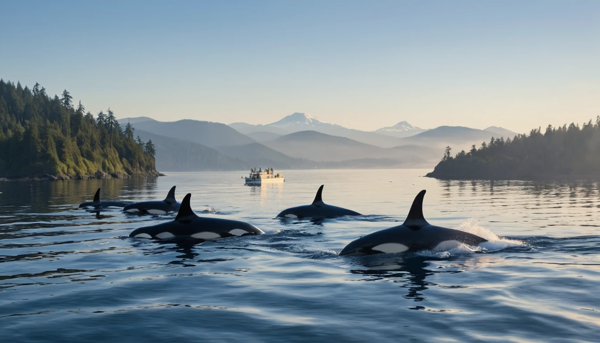
- Summer (June–August): Orca pods are most active.
- Fall (September–November): Salmon runs attract predators.
- Winter (December–February): Fewer tours, but calmer seas.
Top Spots for Whale Watching 🐳
Few places on earth rival the Pacific Northwest for whale watching. Popular spots include:
- San Juan Islands, WA – Prime orca territory.
- Victoria, BC – Known for humpback sightings.
- Depoe Bay, OR – Nicknamed the “Whale Watching Capital.”
What to Expect on an Expedition 🚤
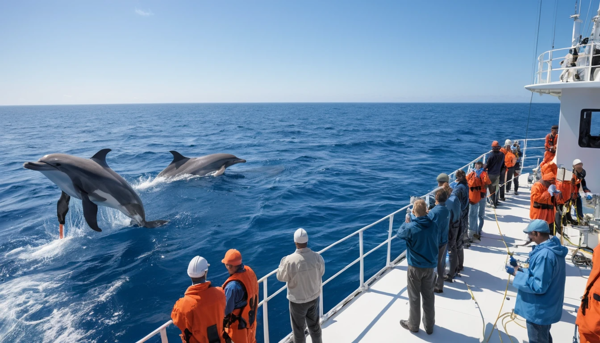
When you book a tour, expect a mix of education and adventure. Guides share fascinating facts about migration patterns and conservation efforts. You’ll often ride in small boats for a closer view. Don’t forget binoculars, a waterproof jacket, and your camera.
Marine Wildlife You’ll Encounter 🦦
The diversity of animals here is jaw-dropping. Some highlights include:
- Orcas (killer whales)
- Gray and humpback whales
- Sea otters
- Harbor seals
- Bald eagles
- Giant Pacific octopus
Expedition Safety Tips ⛑️
Safety is always a priority. Follow your guide’s instructions and wear a life jacket. Keep a respectful distance from animals. Remember, these creatures are wild, and your presence should never disturb them.
Conservation and Responsible Tourism 🌍
Expeditions here often support local conservation groups. By joining, you help fund marine research and preservation. Choose eco-certified tours that reduce emissions and prioritize ethical wildlife interactions.
Packing Essentials for Your Trip 🎒
To stay comfortable, pack:
- Waterproof clothing
- Non-slip shoes
- Polarized sunglasses
- A hat and sunscreen
- Snacks and water
- Camera gear
Family-Friendly Marine Life Adventures 👨👩👧
Many tours welcome kids and are tailored to families. Children love spotting sea lions and seals. Some companies even offer educational games and hands-on experiences for younger explorers.
Kayaking With Marine Wildlife 🚣
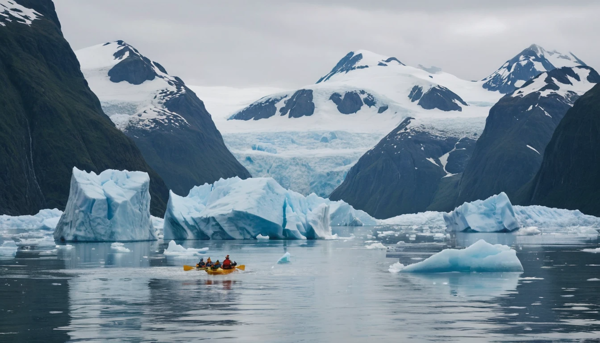
For a more intimate adventure, try sea kayaking. Glide through calm waters while harbor seals peek curiously at you. Some tours let you paddle near kelp forests, where you may even spot otters lounging in the sun.
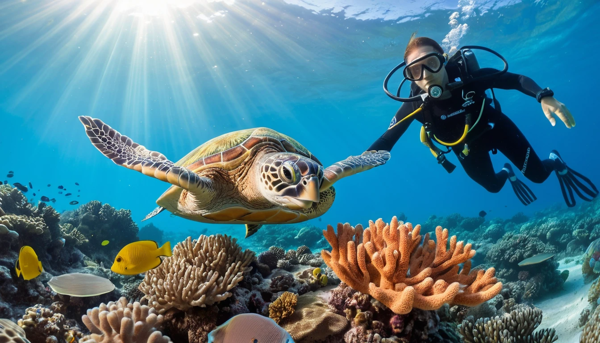
Diving Into the Underwater World 🤿
Scuba divers and snorkelers will find the Pacific Northwest magical. Giant kelp forests hide wolf eels and rockfish. Experienced divers can even explore shipwrecks and underwater caves. The waters are chilly, so a dry suit is recommended.
Food and Culture Along the Coast 🍲
After a day on the water, enjoy local seafood. Fresh salmon, Dungeness crab, and clam chowder are regional favorites. Coastal towns also offer charming cafes, breweries, and cultural museums celebrating Indigenous heritage.
Budgeting for Your Expedition 💵
Prices vary depending on the tour. Day trips range from $70–$150 per person, while multi-day expeditions can cost $800 or more. Always compare packages to see what’s included.
Quick Comparison of Marine Life Seasons
| Season | Key Wildlife | Best Locations | Tour Availability |
| Spring | Gray Whales | Oregon Coast | High |
| Summer | Orcas & Humpbacks | San Juan Islands, BC | Very High |
| Fall | Salmon & Predators | Puget Sound | Moderate |
| Winter | Seals & Birds | Coastal Inlets | Limited |
Comparing Expedition Options
| Tour Type | Duration | Experience Level | Price Range |
| Whale Watching Boat | 3–4 hrs | All ages | $70–$150 |
| Kayak Tour | 2–6 hrs | Moderate fitness | $90–$200 |
| Multi-Day Expedition | 2–5 days | Adventure seekers | $500–$1200 |
Marine Life Identification Tips 🔍
Learn to identify marine life by their unique behaviors. Orcas often breach dramatically, while humpbacks wave their tails. Harbor seals float like “logs” at the surface. Carry a small field guide or download an app for quick reference.
Comparing Eco-Tour Operators
| Company | Focus | Eco Practices | Location |
| San Juan Safaris | Orcas | Hybrid boats | Washington |
| Prince of Whales | Whales | Carbon offsets | Victoria, BC |
| Newport Tradewinds | Gray Whales | Small-group tours | Oregon |
Conclusion 🌅
A Pacific Northwest marine life expedition is more than just sightseeing—it’s an unforgettable journey into one of Earth’s richest marine ecosystems. From orcas and otters to humpbacks and seals, the ocean comes alive here. By choosing responsible tours, you not only enjoy nature but also help protect it for future generations.
FAQs: Pacific Northwest Marine Life Expedition
What is the best time to see orcas in the Pacific Northwest?
The best time to see orcas is during summer, especially between June and August. Pods are most active around the San Juan Islands. You may even spot them hunting salmon.
Where can I go whale watching in Washington State?
The San Juan Islands are the top destination. Departures often leave from Friday Harbor or Anacortes. This area is known for both resident and transient orca pods.
Can kids join a Pacific Northwest marine life expedition?
Yes, many tours are family-friendly and welcome children. Some even provide educational programs designed for younger explorers. Always check age restrictions before booking.
Do I need special gear for a kayaking tour?
Most operators provide kayaks, paddles, and safety equipment. You should bring warm layers, water-resistant clothing, and sunscreen. A dry bag is also helpful.
How much does a Pacific Northwest marine expedition cost?
Day trips start around $70 per person, while extended tours can reach $1,200. Prices depend on the duration, group size, and type of experience.
Leave a Reply